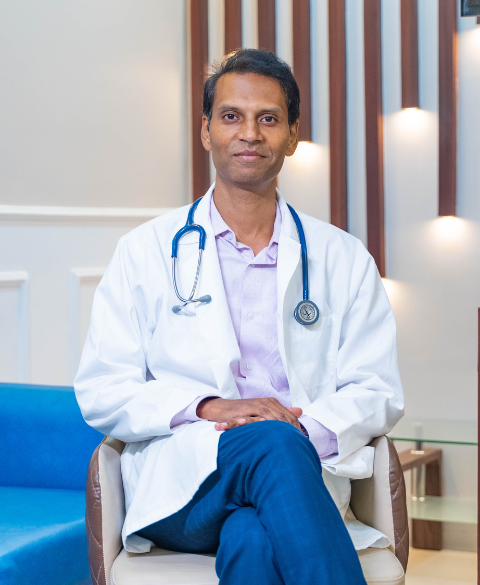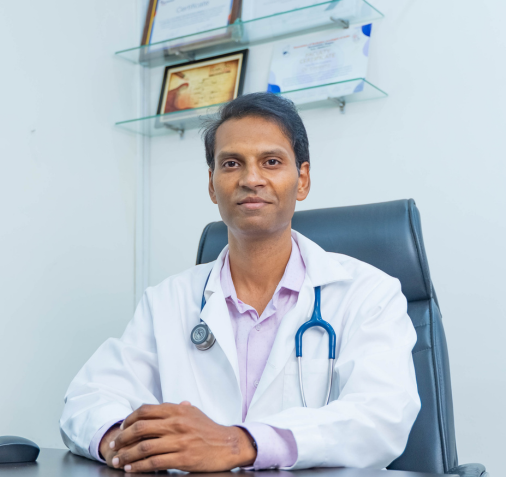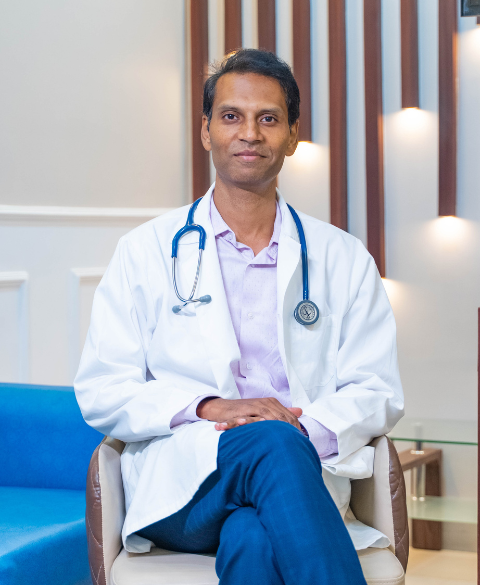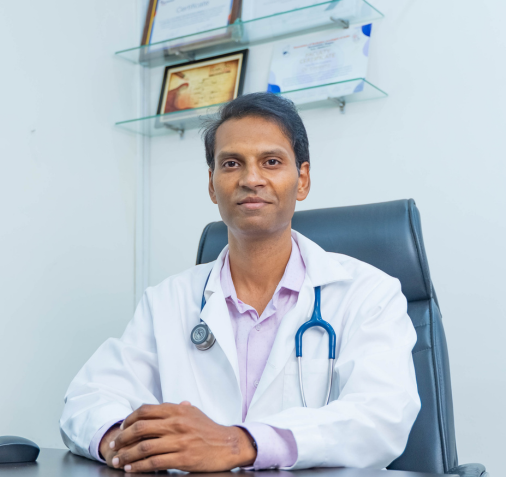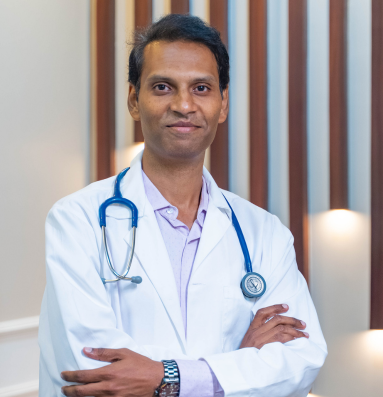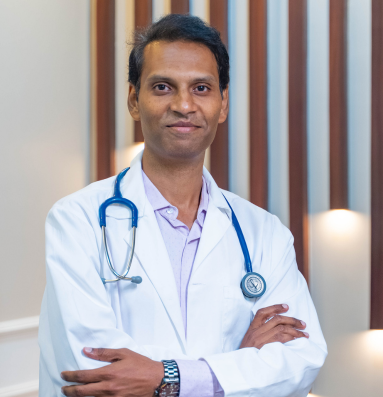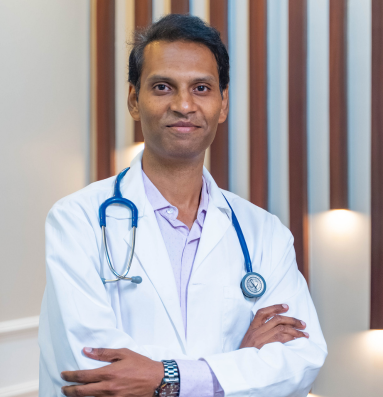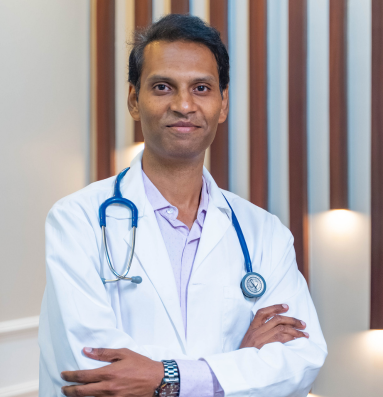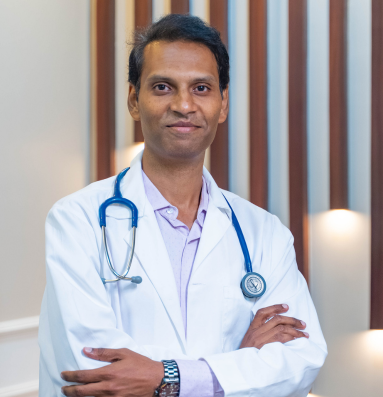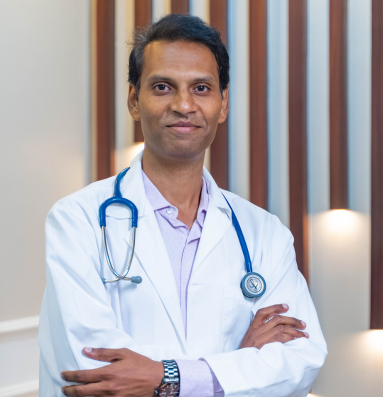
Dr. S.L.N. Chandra Mohan is a Head and Neck Surgical Oncologist with an MCh degree, representing the highest level of surgical training and specialization in his field. With a career defined by clinical excellence and technical precision.
Dr. S.L.N. Chandra Mohan has established himself as a leading expert in the comprehensive management of complex malignancies of the head and neck region. His practice is built on the dual pillars of oncological safety and functional preservation, ensuring that patients receive world-class cancer care without compromising their quality of life.
Dr. S. L. N. Chandra Mohan is a highly qualified ENT and Head & Neck specialist with extensive academic training and advanced surgical expertise. With a strong background in oncology, otology, and reconstructive procedures, he delivers precise diagnosis and comprehensive treatment tailored to each patient's needs.
His qualifications represent years of focused training in head & neck surgery, cancer management, and cochlear implant procedures, ensuring patients receive modern, safe, and evidence-based care with optimal outcomes.
Completed foundational medical training followed by specialization in Ear, Nose, and Throat. This provided comprehensive expertise in diagnosing and treating a wide range of ENT conditions using both medical and surgical approaches.
Advanced fellowship focused on complex head and neck cancer management, including tumor removal and microvascular reconstruction techniques for functional and aesthetic rehabilitation.
Super-specialty training in head and neck surgery with emphasis on cancer care, advanced surgical planning, and multidisciplinary treatment for improved patient outcomes.
Specialized training in advanced ear surgeries, hearing restoration procedures, and cochlear implant techniques for patients with severe to profound hearing loss.
It removes cancerous tissue from mouth, tongue, or jaw.
Usually a few weeks depending on surgery.
When tissue removal affects speech, swallowing, or appearance.
Yes, early treatment reduces cancer risk.
People with tobacco, alcohol use or mouth ulcers should consult.
Removal of tumors from salivary gland.
Yes, usually FNAC or imaging is done.
No, many are benign.
Treatment of tumors near skull base.
Surgeons try to preserve it carefully.
Removal of lymph nodes from neck.
Cancer affecting mouth, throat, neck areas.
Yes, depending on cancer stage.
Sometimes required after surgery.
As early as possible.
For cancer or large nodules.
Usually short stay.
Pain is manageable with medicines.
Needs proper diagnosis.
Yes, hormone tablets may be needed.
Multiple doctors plan treatment together.
Helps choose best treatment plan.
Team of specialists.
Yes for speech and recovery.
Regular follow-ups required.
No data found.
No data found.
No data found.
No data found.
No data found.
No data found.
No data found.
Advanced surgical treatments designed to improve survival, function, and quality of life.
Surgical procedures help remove cancerous tissues completely, improving survival chances and long-term health.
Surgeries are performed with precision and expertise to ensure safe and effective treatment outcomes.
Use of robotic and minimally invasive techniques for better accuracy and reduced complications.
Modern surgical methods reduce hospital stay and help patients recover faster with minimal pain.
Focus on preserving speech, swallowing, and appearance after surgery.
Each surgical plan is customized based on patient condition for best results.
Find answers to common questions about surgeries, recovery, and treatment.
Some surgeries may temporarily affect speech or swallowing, but advanced techniques and rehabilitation help restore these functions as much as possible.
Recovery time depends on the type of surgery and the patient’s health. Minor procedures may need only a few days, while major surgeries can take a few weeks for full recovery.
Not always. Surgery is recommended only when needed based on diagnosis, stage of disease, and overall patient condition. In many cases, it is part of a complete treatment plan.
Yes, many conditions can now be treated with minimally invasive or robotic surgical methods, which may reduce pain, hospital stay, and recovery time.
The right surgical plan depends on your diagnosis, reports, symptoms, and overall health. A detailed consultation helps decide the most suitable treatment.